
Kibbe Type Comparison
Soft Natural vs Soft Classic
Can't decide if you're a Soft Natural or Soft Classic? You're not alone—this is one of the most common points of confusion in the Kibbe system.
Ten current identities, with historical guides preserved
David Kibbe describes ten image identities. Older thirteen-type lists also include pure Classic, Natural and Gamine. Our guides keep those terms for reference. The outfit experiments here are our independent interpretation, not an official typing method. See David Kibbe’s framework and his updated book, Power of Style.
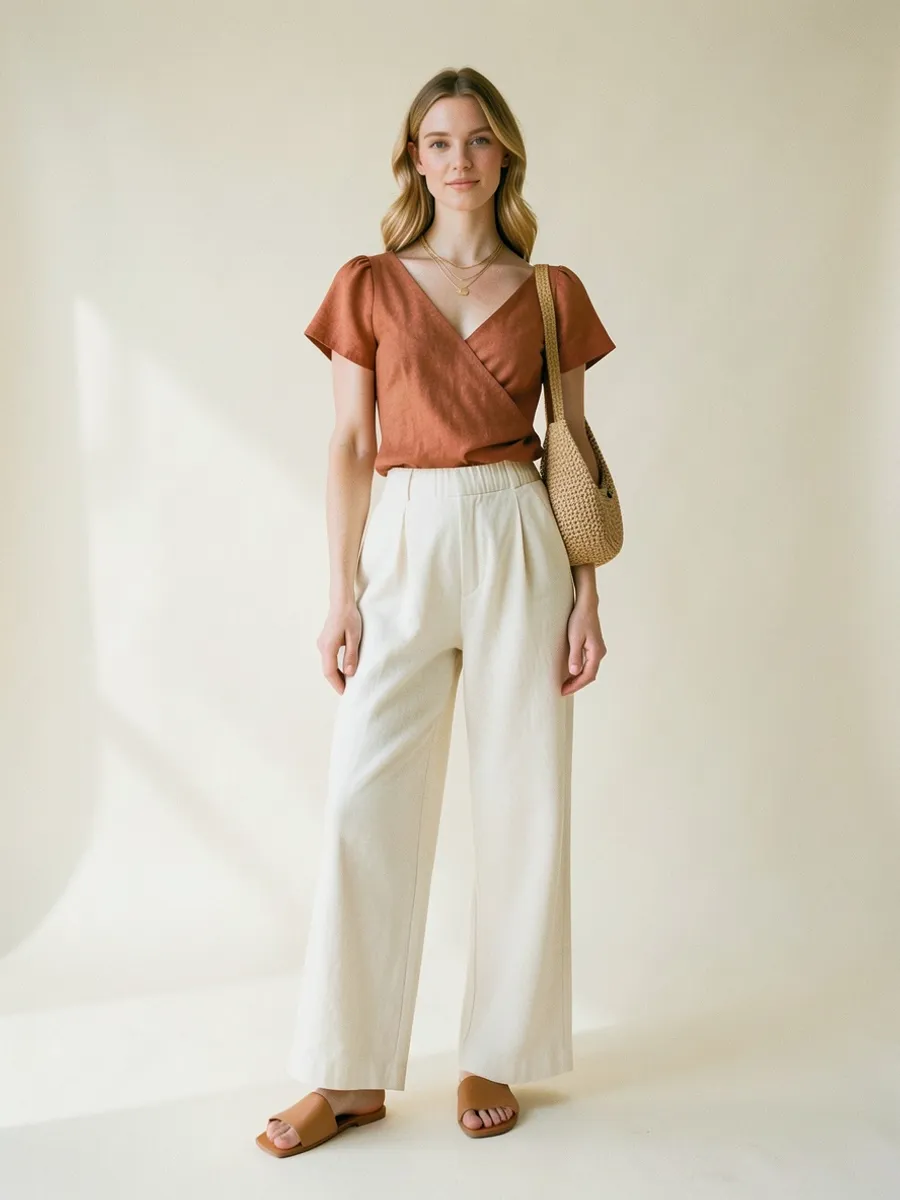
Soft Natural · AI outfit illustration
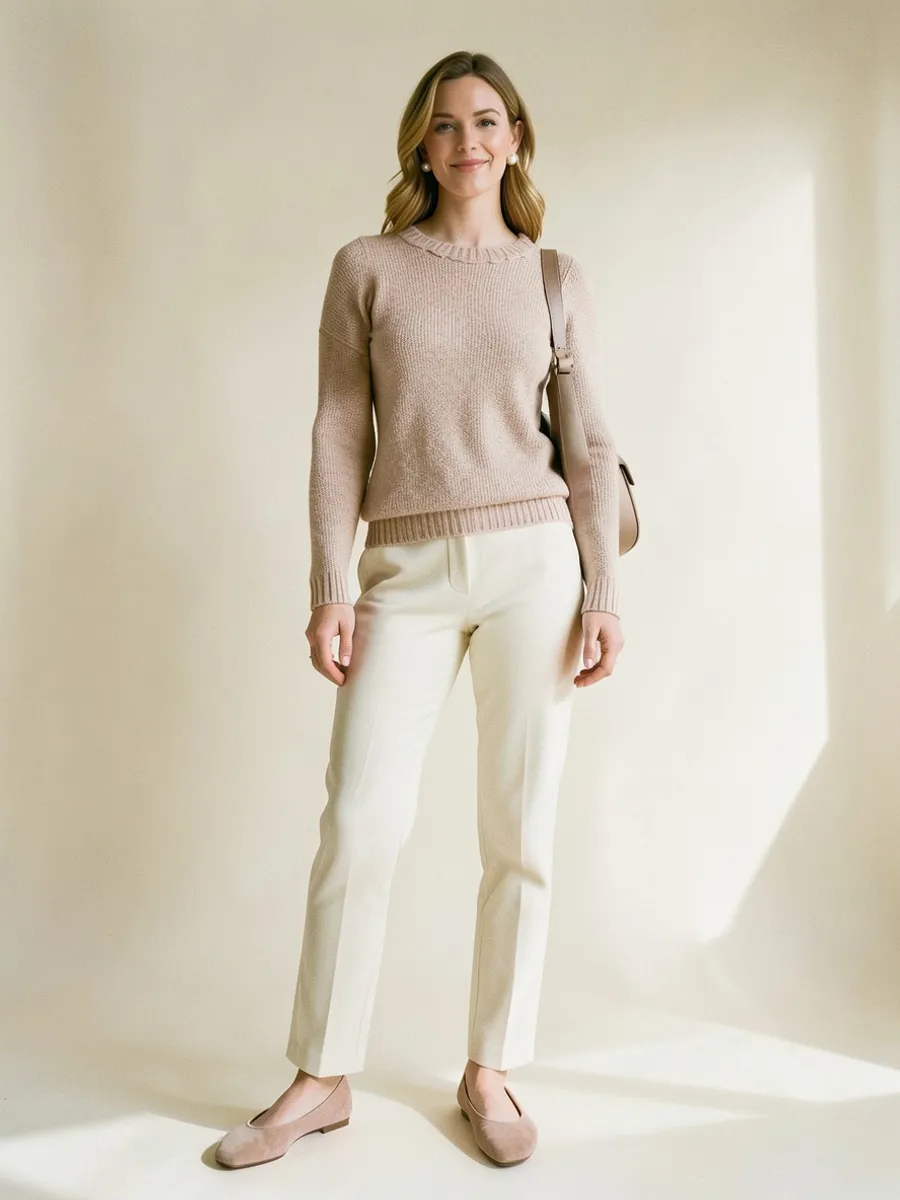
Soft Classic · AI outfit illustration
Soft Natural vs Soft Classic is most useful as a comparison of clothing lines: ease through the upper body with soft shaping, versus a moderate, balanced outline with gentle drape. Both can enjoy waist definition, soft fabrics and simple outfits. The difference is not whether you are curvy, athletic or a particular dress size. Start with how a complete outfit hangs and moves, then use the identity as a working hypothesis.
Soft Natural
Soft Yang
Approachable and feminine. Soft Naturals blend the Natural's relaxed bone structure with soft, curved flesh.
Full Soft Natural GuideSoft Classic
Balanced with Yin influence
Graceful and refined femininity. Soft Classics combine Classic balance with a soft, feminine undercurrent.
Full Soft Classic GuideWhy Soft Natural and Soft Classic Get Confused
An open-neck blouse and softly tapered trousers can work in either wardrobe. Photos also flatten depth, while oversized clothing can hide the very lines you are trying to compare. That is why sorting yourself by shoulder width in a selfie often produces contradictory results. An item fitting badly can reflect its pattern, size or fabric; it does not establish your identity.
The Key Difference
For Soft Natural, try enough ease around the upper back and neckline for the outfit to look relaxed, while keeping some softness through the waist. For Soft Classic, compare a more evenly fitted, symmetrical version with moderate scale. Neither approach means wearing everything oversized or everything tight. The useful question is which whole outfit feels easier to put together without constant adjustments.
Frame and clothing fit
Kibbe width is a clothing-line concept, not a measurement or a judgment about being broad. In this guide, the practical test is upper-body ease: does a softly constructed shirt or jacket settle more comfortably than a restrictive cut? Compare similar fabrics and the correct size. For a balanced outline, try an even shoulder line and restrained volume. One seam location cannot diagnose an image identity.
| Soft Natural | Soft Classic |
|---|---|
Moderate vertical line | Moderate, balanced frame |
Slightly wide shoulders | Slightly soft edges |
Blunt bone edges | Symmetrical proportions |
Moderate frame | Moderate vertical |
Slightly square silhouette | Gentle slopes |
Body Flesh and Curves
Both directions can include softness and curve at many sizes. Bust size, waist-to-hip ratio and weight do not separate Soft Natural from Soft Classic. Look at whether fabric can skim the torso without pulling or collapsing. If both outfits work, use the elements you like from each rather than forcing a label from a single photograph.
| Soft Natural | Soft Classic |
|---|---|
Soft, curved flesh | Soft, moderate curves |
Gentle curves at bust/hips | Even distribution |
Soft arms and thighs | Slightly rounded |
Slightly fleshy waist | Gentle hourglass tendency |
Rounded overall | Soft arms and thighs |
Try a fair outfit comparison
Try two outfits using the same trousers and shoes. First, wear a softly draped open-neck shirt with an easy half-tuck. Second, try a softly fitted blouse with an even hem or neat tuck. Take full-body photos at the same camera height and distance. Walk, sit and raise your arms in each. Compare neckline, upper-back comfort, waist shaping and overall scale. Repeat on another day; one winner is a styling clue, not proof of a type.
Celebrity references and their limits
Celebrity lists are useful for collecting outfit references, but photographs and internet consensus cannot verify a person's identity. Treat the names below as community examples unless a primary source is cited. Look at a reference outfit's fabric, scale and proportions; do not use resemblance to a face or body as a typing test.
Soft Natural Celebrities
Scarlett Johansson
Gigi Hadid
Jennifer Lopez
Kate Winslet
Sydney Sweeney
Soft Classic Celebrities
Naomi Watts
Marion Cotillard
Dakota Johnson
Lee Remick
Leighton Meester
Rose Byrne
Common Mistakes to Avoid
Do not test Soft Natural with a jacket several sizes too large and Soft Classic with something tailored perfectly. That compares fit quality, not lines. Another trap is treating tidy clothes as Classic and casual clothes as Natural. Both identities can wear office tailoring, jeans or occasionwear; the cut and complete outfit do more work than the dress code.
How Styling Differs Between These Types
For everyday Soft Natural ideas, start with an open-neck knit, gently tapered trousers and a soft layer. For a Soft Classic experiment, keep the same comfort level but try a more even neckline, tidy shoulder fit and moderate accessories. For work, compare a softly constructed jacket with a gently fitted one. For warm weather, use breathable fabrics and adjust sleeve length without assuming that exposed skin is required for either identity.
Soft Natural Style Recommendations
- Relaxed, draped fits
- Soft, flowing fabrics
- Gentle curves (not tight)
- Unconstructed jackets
- Casual elegance
- Soft layers
Soft Classic Style Recommendations
- Soft tailoring
- Feminine details
- Draped fabrics
- Gentle curves
- Polished elegance
- Balanced proportions
Frequently Asked Questions
Still Not Sure Which Type You Are?
Our AI-powered Kibbe body type test analyzes your proportions from photos and can help suggest a starting point between Soft Natural and Soft Classic, with its limitations clearly explained.