
Plus Size Kibbe Body Types
Here is the sentence that should be at the top of every Kibbe article and almost never is: your weight has nothing to do with your Kibbe type. Bone structure decides your type, and bones don't change size. What changes at higher weights is how your type presents— and that's exactly what this guide covers, type by type.
Ten current identities, with historical guides preserved
David Kibbe describes ten image identities. Older thirteen-type lists also include pure Classic, Natural and Gamine. Our guides keep those terms for reference. The outfit experiments here are our independent interpretation, not an official typing method. See David Kibbe’s framework and his updated book, Power of Style.
Why Weight Doesn't Change Your Kibbe Type
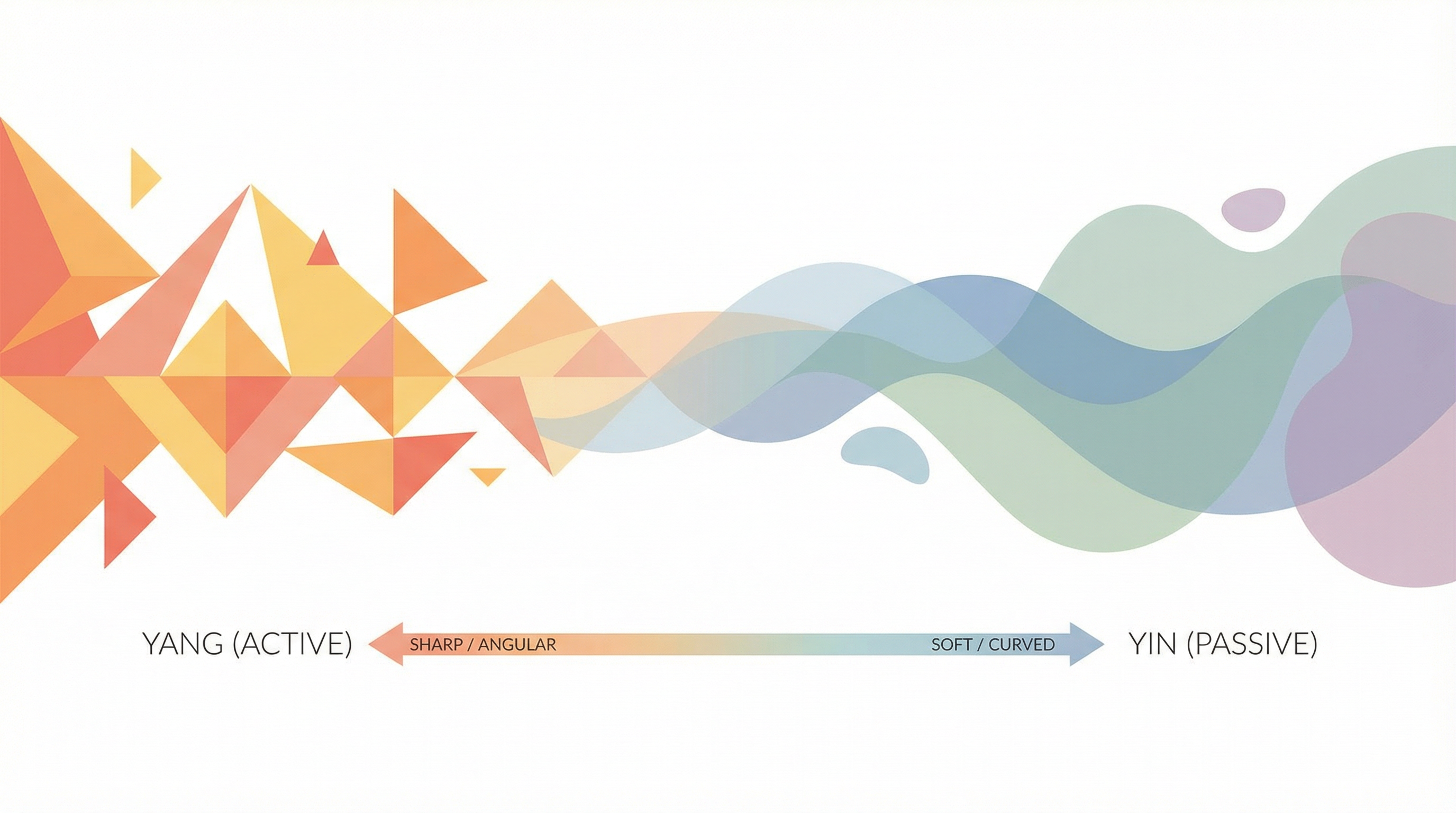
Kibbe's system reads three things: your vertical line (how long your body appears), your bone structure (sharp, blunt, or delicate), and how flesh sits over that structure. Only the third one responds to weight — and it's the least important of the three for determining type. A wide, blunt shoulder line is wide and blunt at any size. A 5'1" frame never becomes statuesque and a 5'9" one never becomes petite. That's why the reliable typing signals for plus size women are the ones weight can't touch: height, shoulder-to-hip ratio, wrist and ankle scale, jawline geometry, and hand size.
The Four Plus Size Mistyping Traps
Most plus size women get funneled into Romantic or Soft Natural by quizzes that read curves as the whole story. These are the corrections.
“I have a full bust, so I must be Romantic”
Romantic means delicate bones under the curves — small wrists, sloped narrow shoulders, short vertical. A full bust on a wide or long frame points to Soft Natural, Soft Dramatic, or Flamboyant Natural instead.
“I'm plus size, so the angular types are out”
Dramatics and Dramatic Classics keep their angularity at every size. If your jaw stays sharp and your silhouette stays comparatively straight as you gain, that's evidence for a yang type, not against it.
“My body is round now, so my type changed”
Kibbe himself is explicit on this: your image identity never changes. Bones don't move. What worked on your frame before works now — usually executed in more generous cuts and better fabric.
“Plus size means hiding in loose black layers”
Shapeless coverage is the one strategy that fails every single type. Each of the 13 types has a specific plus size formula — drape for Romantics, sweep for Naturals, structure for Classics, definition for Gamines.
All 13 Kibbe Types at Plus Sizes
How each type tends to carry weight, and the one styling rule that matters most. Each link goes to the full type guide with a dedicated plus size section.
Dramatic
Weight does not change bone structure, and Dramatic bones stay visibly angular at any size. A plus-size Dramatic usually keeps a comparatively flat hip-to-shoulder line and gains weight evenly rather than in pronounced curves — which means the long-line strategy still works, it just needs better fabric.
Full Dramatic guide (incl. plus size styling) →Soft Dramatic
Soft Dramatic may be the type that changes least visually with weight — the silhouette was always long-plus-curvy, and it stays long-plus-curvy. Weight typically settles in the bust and hips while the vertical line keeps doing its work, which is why so many famous plus-size style icons are typed SD.
Full Soft Dramatic guide (incl. plus size styling) →Flamboyant Natural
FN frames carry extra weight more gracefully than almost any other type — the width was always structural, so added softness distributes across a broad chassis without changing the silhouette's logic. The mistake plus-size FNs make is shrinking: fitted, "flattering" clothes that pinch a frame built for sweep.
Full Flamboyant Natural guide (incl. plus size styling) →Natural
Naturals gain weight the way they do everything — evenly and without drama. The blunt frame keeps its slightly-wide, slightly-strong character, and the relaxed silhouettes that always worked keep working at any size.
Full Natural guide (incl. plus size styling) →Soft Natural
This is one of the most common real-world plus-size types, and the good news is the SN formula barely changes: soft fabrics over a relaxed-but-shaped silhouette. Weight tends to settle in the bust, upper arms, and hips while the frame's width keeps everything proportional.
Full Soft Natural guide (incl. plus size styling) →Dramatic Classic
A plus-size Dramatic Classic keeps her balanced proportions — weight distributes fairly evenly, and the moderate frame stays moderate. The styling risk at higher weights is abandoning tailoring for shapeless comfort; DC needs its structure at every size.
Full Dramatic Classic guide (incl. plus size styling) →Classic
Weight arrives evenly on a Classic frame and the balanced proportions persist — a plus-size Classic still reads symmetric and put-together. The type's real challenge at any size is sameness, so at higher weights lean on fabric quality and fit precision rather than shape tricks.
Full Classic guide (incl. plus size styling) →Soft Classic
A plus-size Soft Classic gains softness on an already-gentle balanced frame, so curves become more pronounced while proportions stay even. The formula holds: refined, feminine, softly structured — just executed in better fabric at larger sizes.
Full Soft Classic guide (incl. plus size styling) →Flamboyant Gamine
A plus-size FG keeps her compact, angular scale — bones don't grow — and the styling rule survives intact: crisp beats flowy at every size. The trap is hiding in oversized layers, which erase the very juxtaposition that makes this type work.
Full Flamboyant Gamine guide (incl. plus size styling) →Gamine
A plus-size Gamine stays small-boned and compact — weight rounds the silhouette but the short vertical line and quick proportions remain. Styling still wants definition and lightness rather than coverage.
Full Gamine guide (incl. plus size styling) →Soft Gamine
Plus-size Soft Gamines keep the small frame and the concentrated cuteness — weight adds roundness to a type that was already built on it, so curves intensify while scale stays petite. Definition remains the entire game.
Full Soft Gamine guide (incl. plus size styling) →Theatrical Romantic
Plus-size TRs keep their defining combination — pronounced hourglass curve on a small, delicate frame. Weight amplifies the curve, and the styling answer is the same as it always was: honor the waist, drape the curve, keep details refined.
Full Theatrical Romantic guide (incl. plus size styling) →Romantic
Romantic is arguably the type plus-size styling advice serves worst — mainstream tips push structure and coverage, which are exactly wrong here. A plus-size Romantic has more of what the type is built on (curve), and needs the same answer at a larger scale: drape, waist, softness.
Full Romantic guide (incl. plus size styling) →Find Your Type From a Photo — At Any Size
Self-typing is hardest exactly when quizzes keep reading your curves instead of your bones. Our AI analyzes proportions, vertical line, and bone structure directly from your photo — the parts of you that don't change with weight.
Take the Free Kibbe Test