Chestnut Brown
A brown starting point with red-gold warmth. Compare with Neutral Brown to isolate how much warmth you enjoy.
Try this shade on my photo →Hair color guide + free photo try-on
Start with a color direction, then compare it on your own photo. Find a shortlist for warm, cool, neutral or olive undertones without treating a season as a rulebook.
Stay close to your natural depth for a familiar contrast, or compare a lighter and darker option deliberately. Skin depth and hair depth are separate choices.
Compare warm, neutral and cool shades at a similar depth. Otherwise it is hard to tell whether you prefer the tone or simply the lighter or darker hair.
Consider your current color and the grow-out you want. Save your shortlist and ask a colorist about the process, upkeep and achievable result.
Chestnut, caramel and honey are useful directions to compare when you enjoy warmth around your face. Test the amount of gold or copper as well as the depth: a quiet chestnut and a bright copper create very different looks.
A brown starting point with red-gold warmth. Compare with Neutral Brown to isolate how much warmth you enjoy.
Try this shade on my photo →A softer golden-brown direction. Try this before jumping from a dark base to an all-over blonde.
Try this shade on my photo →A noticeably lighter, golden option. Compare the extra contrast with your current hair as well as the undertone.
Try this shade on my photo →If a warm shade looks too orange, try a less saturated or more neutral version. You do not have to rule out an entire shade family.
Start with ash, taupe-brown or cool espresso. Compare them in the same lighting; a very ashy shade can look flatter than a neutral brown even when you usually prefer cool colors.
A muted cool brown to compare with a neutral brown at a similar depth.
Try this shade on my photo →A taupe-brown direction for a softer effect. Compare the muted finish with a clearer brown.
Try this shade on my photo →A deeper cool brown. Check whether you enjoy the stronger contrast against your skin and eyes.
Try this shade on my photo →For a lighter direction, compare Ash Blonde and Champagne Blonde in the tool. Keep the photo and makeup unchanged while comparing.
Olive does not automatically mean warm. A neutral brown is a useful reference between chestnut and ash; look at all three before deciding whether you prefer more warmth, more coolness or a balance.
Use this as the middle reference, then compare a warmer and cooler option.
Try this shade on my photo →The warmer comparison. Notice whether you enjoy the golden-red reflect beside your face.
Try this shade on my photo →The cooler comparison. Notice whether the muted tone feels balanced or too gray for the look you want.
Try this shade on my photo →Explore the model first, or use your own well-lit photo. Three personal previews are free; further studio access is optional and paid. The example model is not an undertone diagnosis.
Opening the hair color preview…
Your natural gray is a valid starting point. Compare it with a silver direction or subtle lowlights if you want a change. A palette does not require you to hide gray or use a particular toner.
As more gray appears, the contrast around your face may change. Revisit clothing and makeup colors with the online color draping tool using a recent photo.
Save two or three previews with their shade names. Note what you like: the depth, warm or cool reflect, placement of highlights, or softer contrast. Ask how your current color affects the process and what upkeep to expect.
Screen colors and AI previews are illustrative. They cannot specify a dye formula, predict lift or assess the condition of your hair.
Choose the depth first, then compare a warmer and a cooler shade at a similar depth. Use the same photo and lighting so you can judge the color rather than a change in exposure. Your preference, natural base and maintenance plans matter alongside undertone.
Chestnut brown, caramel brunette and honey shades are useful starting points. Compare them with a neutral brown before choosing. Having a warm undertone does not mean every warm shade will work equally well or that cool shades are off limits.
Compare ash brown, mushroom brown and cool espresso. If an ashy option looks flat, try a more neutral shade at the same depth. Blonde, brown and red each include several different tone directions.
No. Olive coloring can lean warm, cool or neutral. Compare neutral brown with a warmer chestnut and a cooler ash brown before deciding which direction you prefer.
Gray hair changes the amount of light and dark around your face, but it does not automatically place you in a different season. Compare your natural gray with subtle lowlights or a silver direction if you want to explore options; you do not need to cover gray to fit a palette.
No. A preview is a visual comparison, not a formula. Existing color, hair condition and the coloring process affect the actual result. Take your saved shortlist to a colorist to discuss what is feasible and how it will grow out.
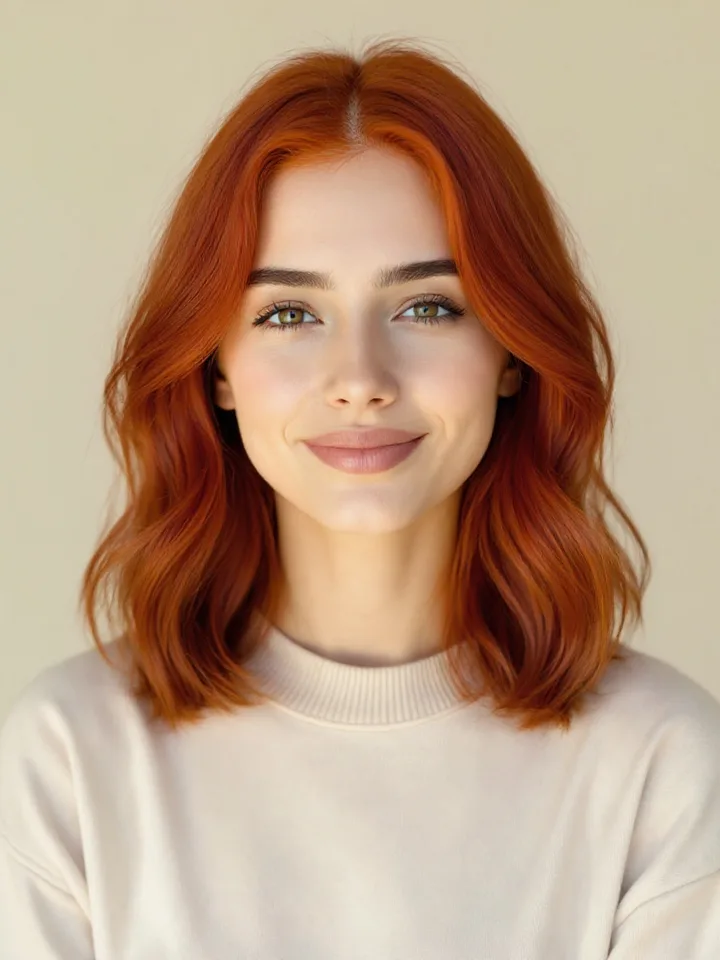
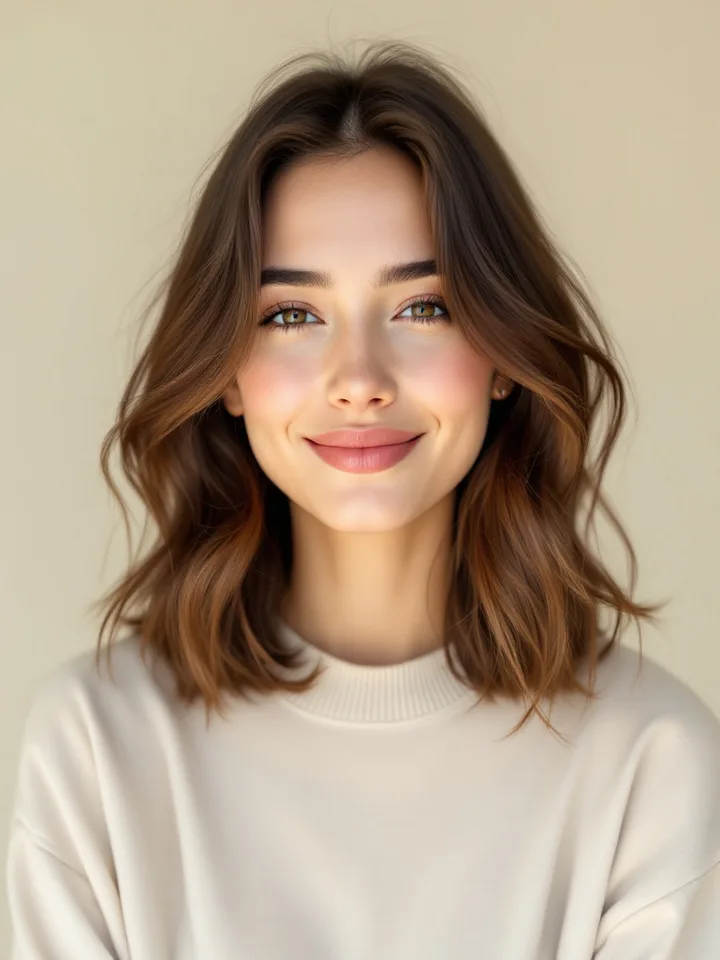
Drag to compare · Copper Red
AI-generated examples on a model. A preview helps compare colors; it cannot predict a dye formula or salon result.
Choose from 176 shades. Your first 3 previews are free. No account needed.
Clear, front-facing photos work best
JPG · PNG · WebP · 10 MB
Your photo is processed to create previews. It is not added to a public gallery.
Use a well-lit photo with your hair visible. After upload, pick a shade, compare with your original and save the looks you want to show your stylist.